Black History Vibes Machine Embroidery
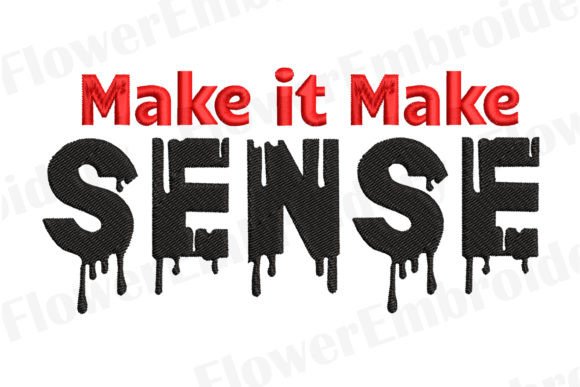
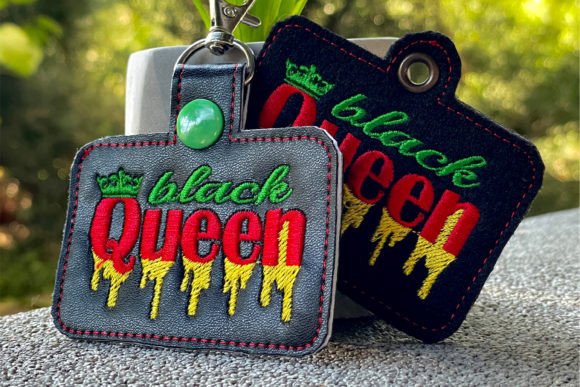
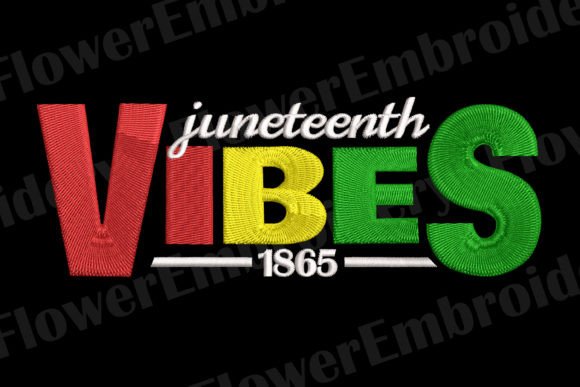
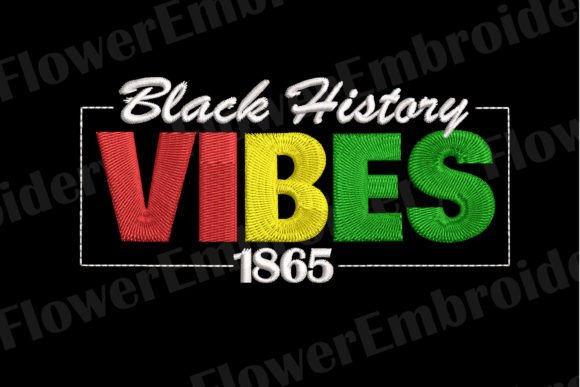
The Black History Vibes Machine Embroidery design immediately catches the eye with its bold, culturally rich imagery. It’s a piece that feels intentional, designed to make a statement without being overwhelming. The layout is clean, with a central emblem that could be interpreted as a symbol of resilience and pride. The detail level is sufficient for most applications, but it doesn’t overcomplicate the overall look. This design seems best suited for projects that aim to honor history while remaining versatile enough for everyday use.
First Impressions: A Design That Speaks Volumes
From the moment you open the Black History Vibes Machine Embroidery file, you can sense the care that went into its creation. The shapes are well-defined, and the composition balances symbolism with simplicity. It’s a design that feels right at home on a tote bag, sweatshirt, or even a baby onesie. The visual personality is strong, but not too busy—perfect for those who want to make an impact without sacrificing clarity.
The theme is clear: it’s about awareness, celebration, and connection. Whether it’s used for Juneteenth, Black History Month, or as a meaningful gift, the design has the potential to resonate deeply with viewers. It’s not just a pattern; it’s a message.
Real-Life Use Cases: Where Black History Vibes Shines
As a designer, I often think about how a machine embroidery design will translate to real-world projects. Black History Vibes fits well in custom apparel, especially on cotton t-shirts, sweatshirts, and tote bags. Its size and shape make it ideal for mid-sized hooping, which means it works well on most standard embroidery machines. It also translates nicely to embroidered patches, making it a great option for caps, jackets, or backpacks.
For small business owners and Etsy sellers, this design could be a valuable addition to a line of handmade products. It’s suitable for baby items like onesies or blankets, where the message can be both personal and meaningful. It also works well for holiday gifts, such as embroidered kitchen towels or pillow covers, especially around Black History Month or Juneteenth.
Where to Be Cautious: Limitations and Considerations
While Black History Vibes is a strong design, there are certain situations where it might not perform as well. For instance, on small hoop sizes, the design may feel cramped or lose some of its detail. On textured fabrics, such as denim or canvas, the stitching might not sit as smoothly as on a smooth cotton fabric.
Thin or stretchy fabrics could also pose challenges. The stitch density is moderate, but if not stabilized properly, the design might pucker or shift. Dark fabrics may require a different thread color to ensure visibility, and layered garments might need extra attention to avoid distortion.
Visual Appeal and Practical Value
When it comes to visual appeal, Black History Vibes delivers. It’s a design that stands out without being too flashy. The balance between negative space and detail makes it easy to incorporate into a variety of projects. It adds value to any handmade product, especially when paired with quality materials and proper stitching techniques.
Customers tend to respond positively to designs that have a story or a purpose. Black History Vibes offers that, which can increase the perceived value of a finished product. It also builds trust, as it shows that the creator is thoughtful about the message they’re sharing through their work.
Design Notes for Embroidery Professionals
Before using Black History Vibes Machine Embroidery in your projects, there are a few practical steps to take. First, test the design on scrap fabric to see how it looks in different conditions. Check the thread color contrast—especially if you plan to use it on dark backgrounds. Review the stitch density to make sure it aligns with your project’s needs.
Confirm the hoop size required for the design. If it’s too large for your machine, consider resizing or splitting the design. Inspect small details, like lettering or intricate lines, to ensure they’ll hold up during stitching. Test it in black and white mockups to see how it looks without color. Also, compare it against light and dark fabric backgrounds to determine the best thread colors for visibility.
Stabilizer and Fabric Considerations
Proper stabilizer is key when working with any machine embroidery design, and Black History Vibes is no exception. Depending on the fabric you’re using, you may need to adjust the type and thickness of stabilizer. For example, on stretchy or thin fabrics, a cutaway stabilizer can help prevent puckering and maintain the integrity of the design.
For commercial embroidery projects, it’s important to confirm whether the design is licensed for resale. As a digital product seller, you’ll want to make sure you’re compliant with any terms and conditions provided by the designer. Always check the licensing before selling finished items or digital embroidery files.
Final Thoughts: A Versatile Design with Purpose
Black History Vibes Machine Embroidery is more than just a pattern—it’s a tool for expression, education, and connection. It’s a design that can elevate a wide range of projects, from personalized gifts to commercial merchandise. Its versatility makes it a valuable asset for anyone involved in embroidery, whether you’re a hobbyist, a small business owner, or a professional designer.
With careful consideration and proper technique, this design can become a standout element in your portfolio. It’s a reminder that embroidery isn’t just about aesthetics—it’s about meaning, and Black History Vibes delivers on that promise.